
Control Cabinet Design and Integration
Design, build, wiring, termination and testing of control system cabinets and marshalling panels — built to be maintained, not just to pass inspection.
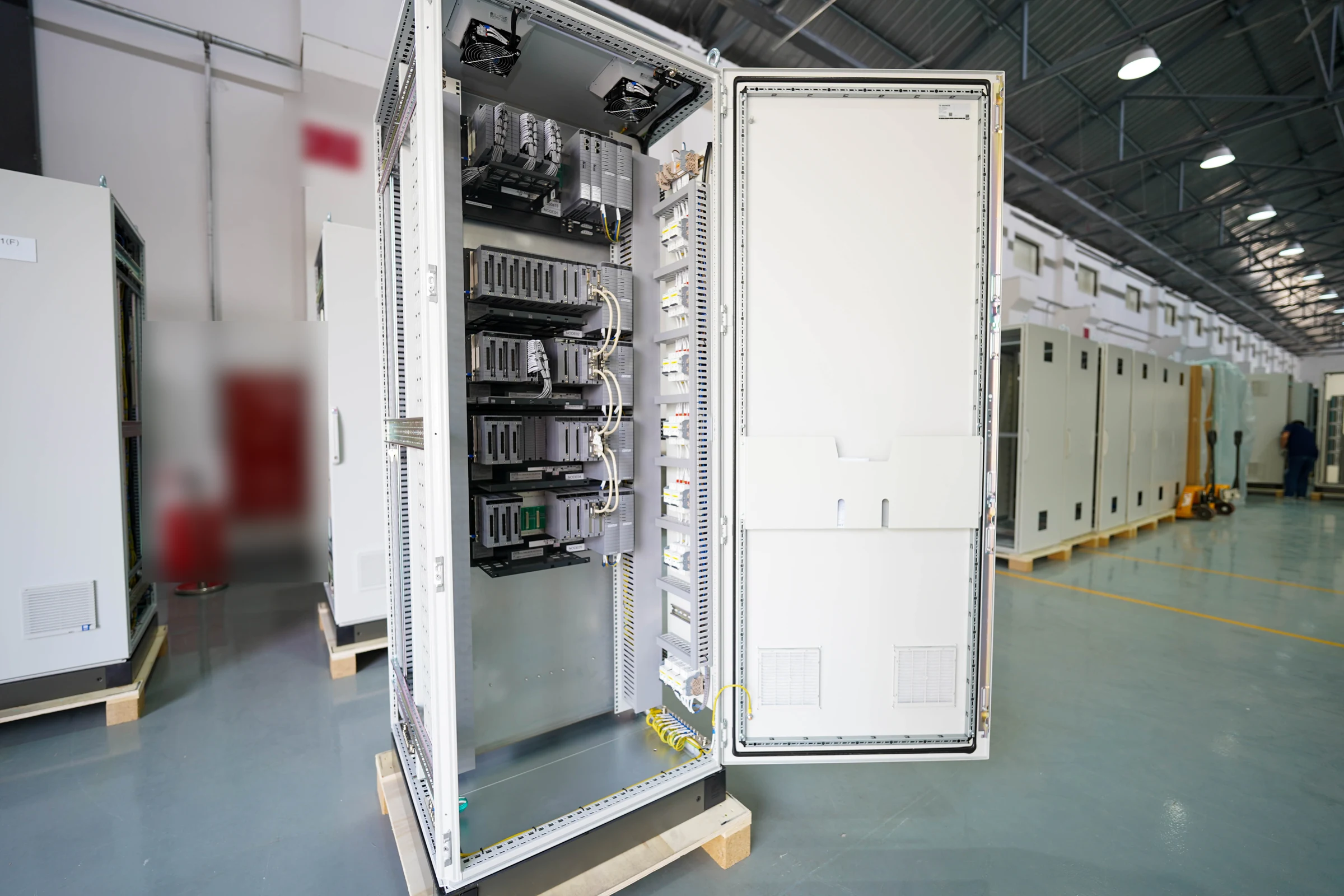
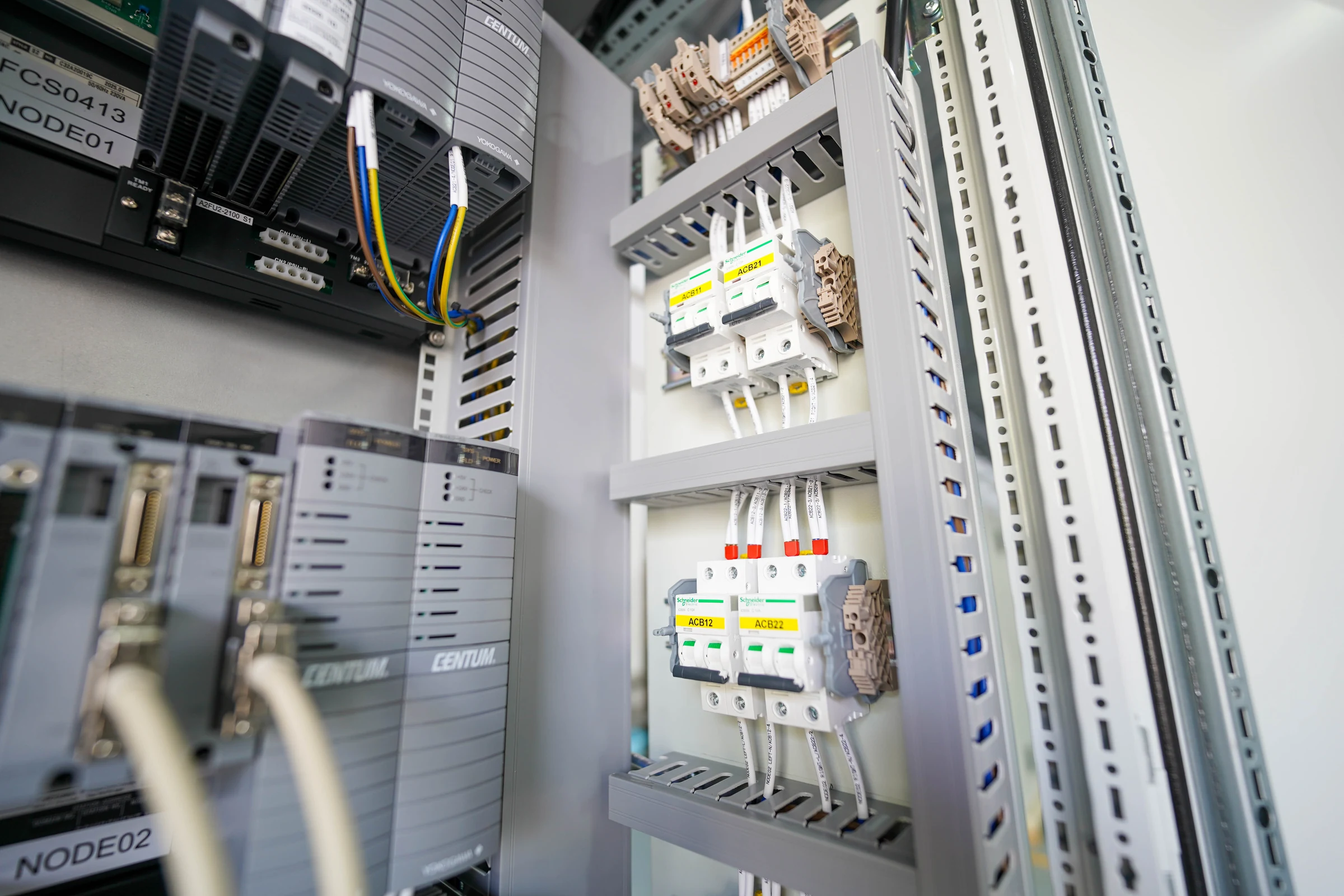
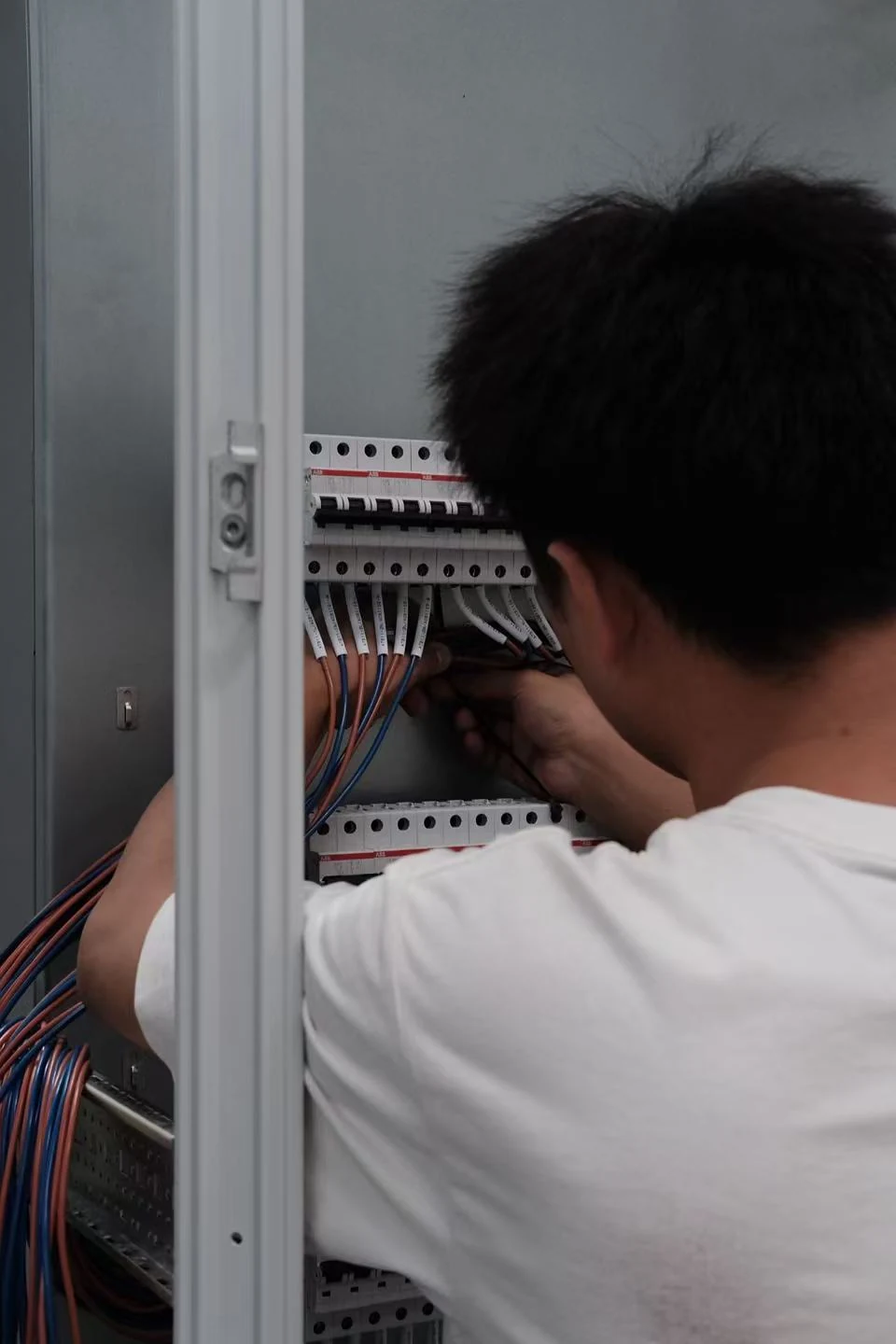
A control cabinet is used by maintenance technicians for twenty years after the project team leaves. Layout, labelling, wire routing and documentation quality determine whether a future fault takes twenty minutes or a full shift to trace.
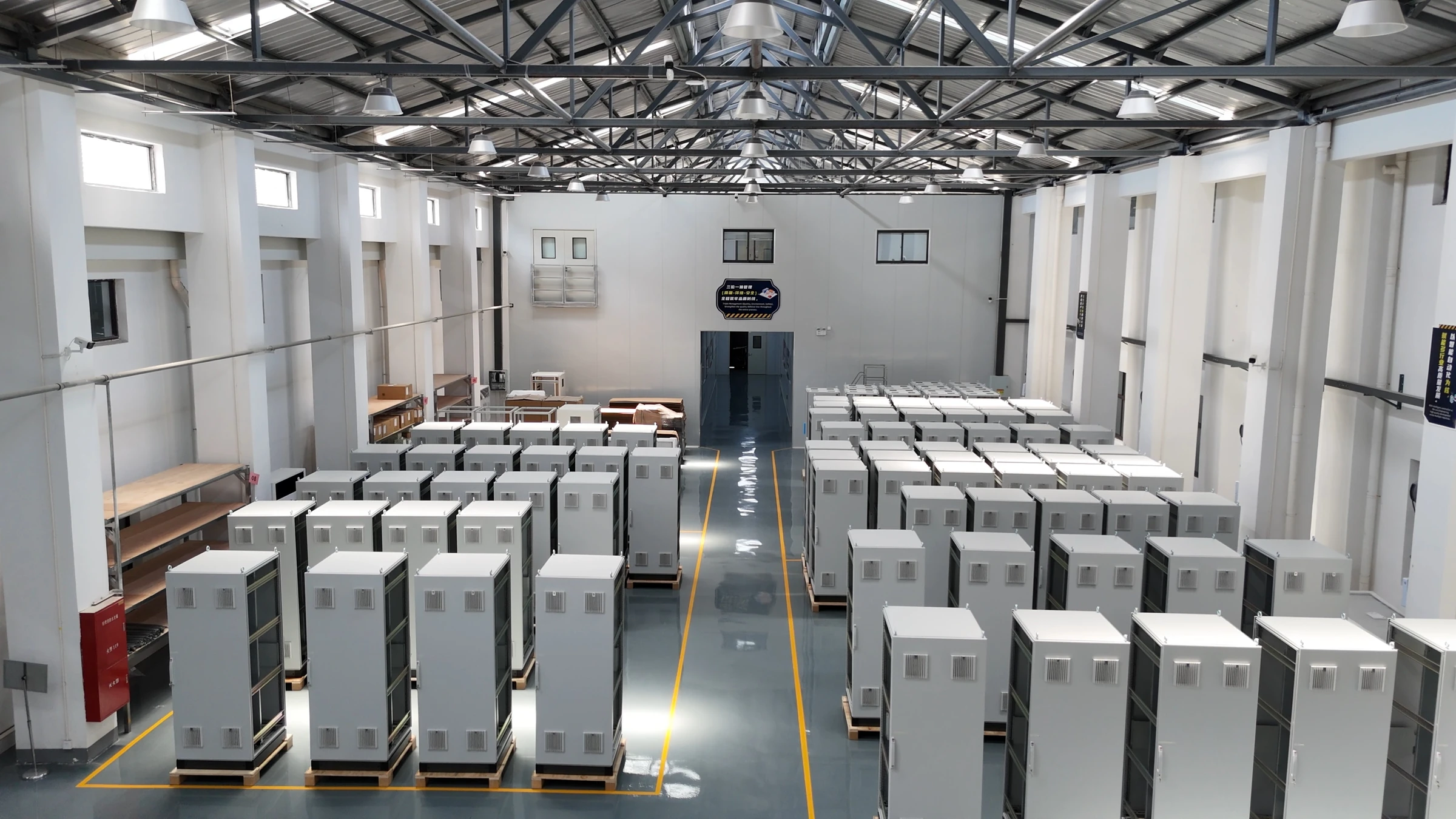
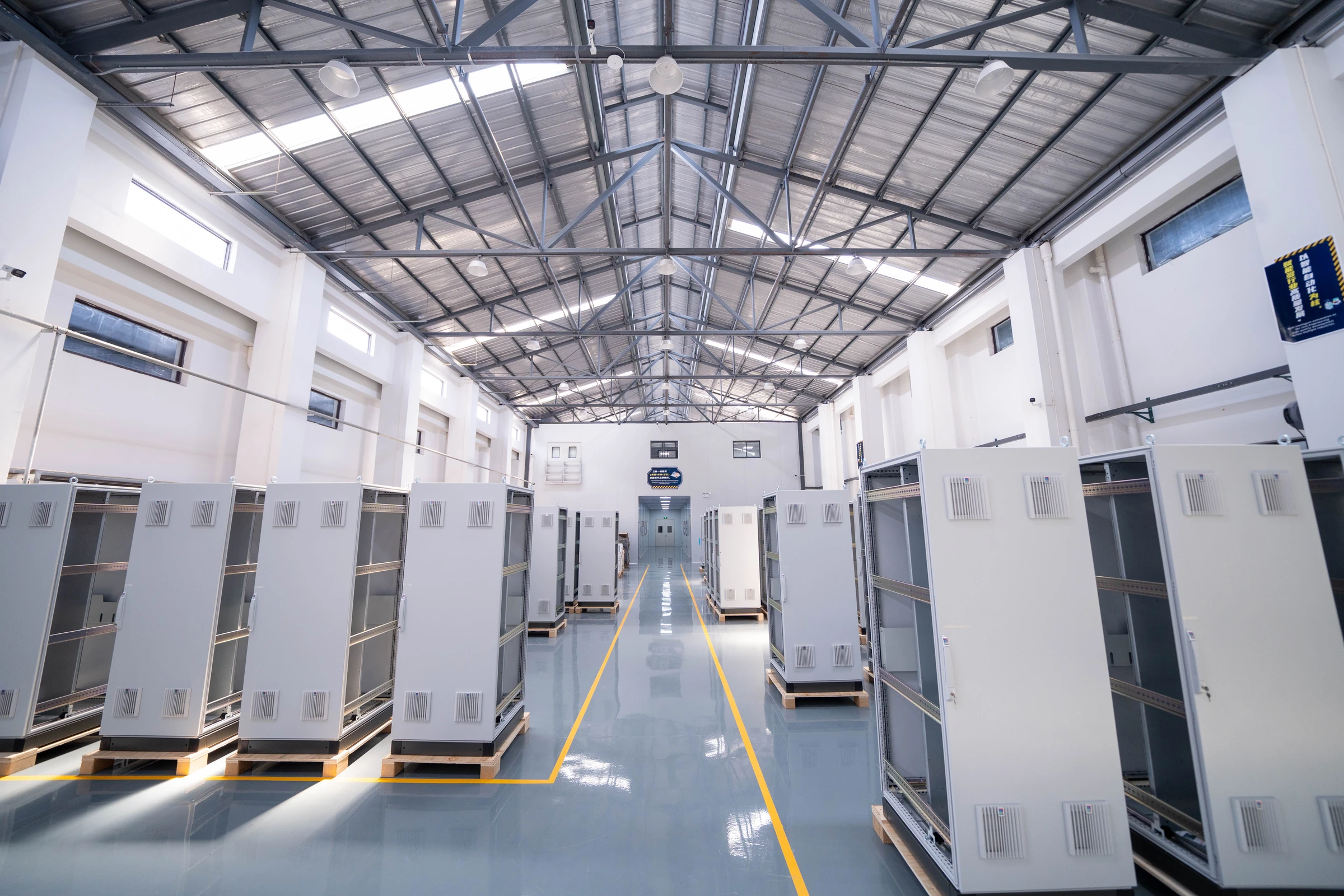
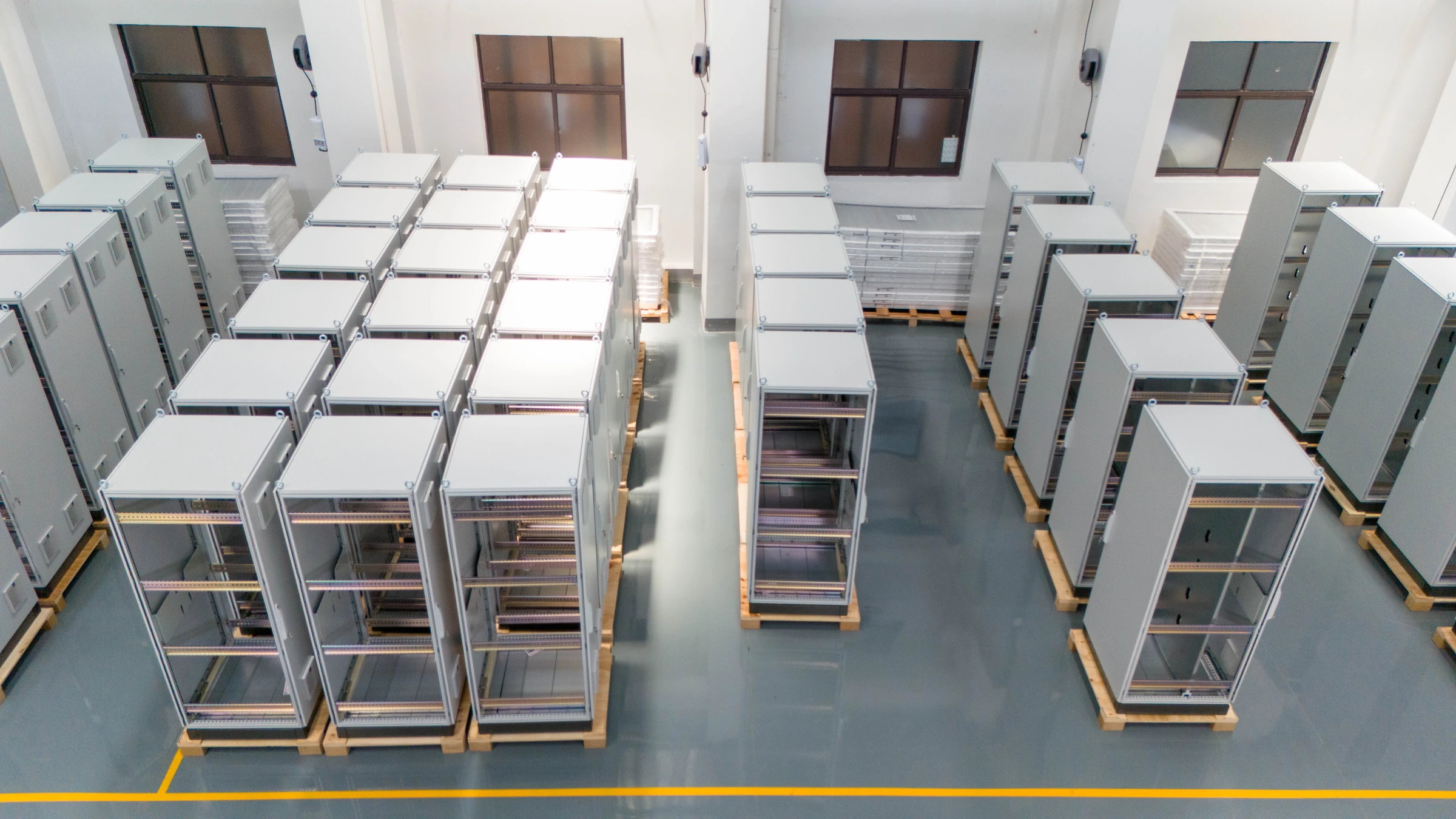
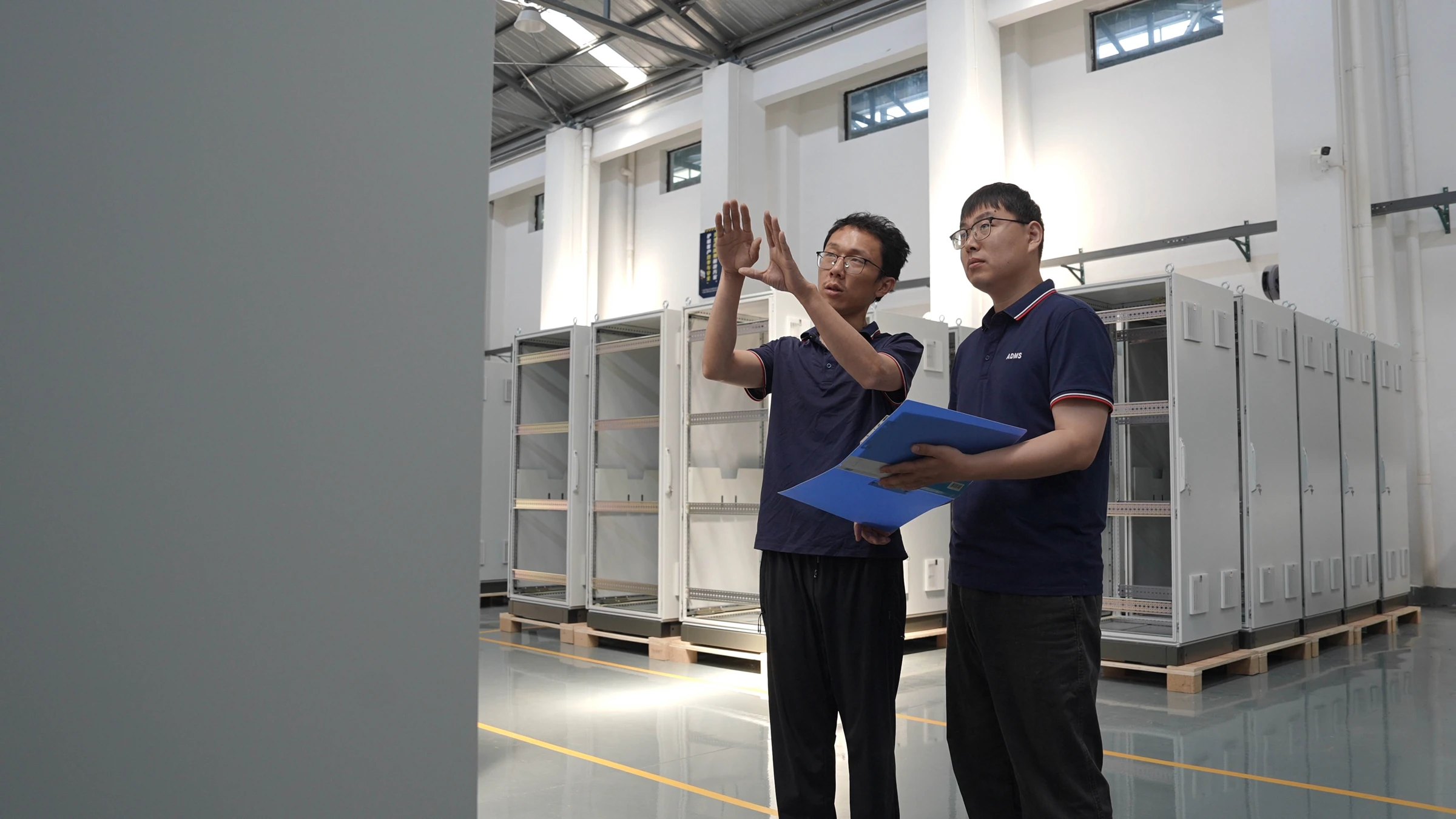
Our cabinet integration workshop: assembled enclosures, frames in production, and engineering review before wiring begins.
Scope of Work
| Work package | Content |
|---|---|
| Cabinet layout design | Equipment arrangement, access and maintenance clearance, segregation of power and signal, expansion allowance |
| Thermal design | Heat load calculation, ventilation or air conditioning selection, temperature monitoring provision |
| Power distribution | Distribution design, protection coordination, UPS integration, redundant supply arrangement and earthing |
| Marshalling and termination | Marshalling design, terminal arrangement, cross-wiring, fusing and isolation provision |
| Network infrastructure | Control network cabling, fibre termination, switch mounting and redundancy arrangement within the system |
| Assembly and wiring | Mechanical assembly, wiring to drawing, labelling and identification to project standard |
| Testing | Point-to-point continuity verification, insulation testing, power-up and functional checks |
| Documentation | As-built drawings, loop diagrams, termination schedules and test records |
What We Hold Ourselves To
| Standard | Why it matters in operation |
|---|---|
| Every wire labelled at both ends | A technician tracing a fault at 03:00 does not have to follow a wire through a loom |
| Power and signal segregation maintained | Prevents induced noise on analogue signals — a common cause of unexplained measurement instability |
| Spare capacity provided and documented | Future modifications do not require cabinet replacement or improvised terminations |
| Full point-to-point verification before dispatch | Wiring errors are found in the workshop, not during commissioning on site |
| As-built documentation matches the delivered cabinet | Drawings that diverge from reality are worse than no drawings |
Integrated with Configuration and Commissioning
Cabinet integration, system configuration and site commissioning are delivered by the same team. This removes the interface losses that occur when a panel builder, a configuration contractor and a commissioning contractor each hold part of the design intent and none holds responsibility for the result.